
Moving with Pets in Lincoln, NE: How to Keep Your Animals Safe and Calm on Moving Day
For most pet owners, their animals aren't just property — they're family members. So when moving day arrives, the question of how to keep your furry friends safe, comfortable, and calm through one of the most chaotic days of the year deserves a real answer.
Pets experience moving very differently than people do. They can't be told what's happening or why their environment is suddenly in upheaval. What they pick up on is the change in routine, the stress in the air, the parade of strangers moving through their space, and the disappearance of familiar smells and furniture. Without a plan for managing your pet during a move, the day becomes harder for everyone — including the moving crew, who have to navigate an anxious dog or a stressed cat while carrying heavy items through your home.
This guide covers how to plan your move with your pet's needs in mind, what to do on moving day itself, and how to help your furry family member settle into the new environment once you arrive.
Before Moving Day: The Planning Your Pet Actually Needs
Visit Your Vet
A vet visit in the weeks before your move is a good idea for any pet, but it's essential if you're moving long distance or crossing state lines. Most states — including Nebraska — require a certificate of veterinary inspection (also called a health certificate) for pets entering the state, and for interstate moves this document typically needs to be issued within 10 days of travel. Your vet will also confirm that your pet's rabies vaccination is current and will document it properly. If your pet tends toward anxiety, your vet can discuss whether a mild sedative or anti-anxiety medication is appropriate for moving day — some pets genuinely benefit from this, while others do better with behavioral management alone.
Update Your Pet's ID
Before the move, make sure your pet's ID tags are current with your new address and phone number, and confirm that their microchip registration is up to date. Moving is one of the most common times pets go missing — gates are left open, doors are propped, and the chaos of the day creates more opportunities for escape than usual. An up-to-date microchip is the single best insurance policy you have if your pet slips out during the move.
Familiarize Your Pet With Moving Supplies Early
Bringing boxes into the home weeks before moving day — and letting your pet sniff, explore, and get used to them — reduces the stress response on moving day itself. For cats especially, having their carrier out and accessible (with a familiar blanket inside) for a few weeks before the move helps the carrier feel like a safe space rather than a threat. Dogs can be introduced to the travel crate in the same way if they'll be crated during the move.
Research Animal Ordinances in Lincoln
If you're moving to Lincoln from outside the city, familiarize yourself with Lincoln's animal ordinances before you arrive. The City of Lincoln has specific rules around licensing, leash requirements, and breed-specific regulations in certain areas. Dog licenses are required for all dogs over six months old and must be renewed annually — contact Lincoln Animal Control at 402-441-7900 or visit lincoln.ne.gov for current licensing requirements. Licensing your dog promptly after arrival is both a legal requirement and a practical one: licensed pets are far easier to reunite with owners through Lincoln's animal shelters if they go missing.
Moving Day: Keeping Pets Safe While the Work Gets Done
Moving day is the hardest day for pets — and the day when they're most at risk. Open doors, unfamiliar people, and disrupted routines create the perfect conditions for an escape or an injury. Here's the best way to manage it.
Separate Your Pet From the Action
The single most effective thing you can do is keep your pet in a quiet, contained space away from the main moving activity. Choose a room that will be emptied last — ideally with the door closed and a sign on it so the crew knows not to open it. Stock the room with your pet's food, water, familiar bedding, and toys. For cats, include a litter box. For dogs, take them for a long walk or run before the movers arrive to burn off energy, then settle them in their designated space.
If a quiet room isn't practical, consider boarding your pet for the day. Many Lincoln boarding facilities offer day boarding specifically for situations like moving day, and pet sitters through platforms like Rover can come to your home and keep your pet calm and supervised throughout the process. The Capital Humane Society (6500 S. 70th Street, 402-441-4488) is also a resource for temporary care guidance if you're in a bind.
Watch for Stress Signals
Even a well-managed moving day is stressful for animals. Watch for signs of acute stress in your pet: panting, pacing, hiding, loss of appetite, excessive vocalization, or aggression. These are signals that your pet needs more separation from the activity, not less. Animal bites are more common during high-stress situations, and the best outcome for everyone — your pet, you, and the moving crew — is keeping the animal in a calm, predictable environment throughout the day.
What Travels in the Moving Truck — and What Doesn't
Your pet travels with you — never in the moving truck. This applies to all animals: dogs, cats, and any other pet. The conditions inside a moving truck are not safe or regulated for living things, and no reputable moving company will accept pets in the cargo area. For a local move in Lincoln, this simply means your pet rides in your vehicle with you. For a long distance move or a cross-country move, plan your pet's transport needs as a separate logistics track from the moving truck entirely.
Long-Distance and Interstate Moves With Pets
If your move to or from Lincoln involves crossing state lines, pet logistics become more complex. In addition to the health certificate and rabies vaccination documentation mentioned above, you'll need to plan for the actual travel — which for large dogs and cats can be more involved than it sounds on a multi-day drive.
Plan pet-friendly stops: For drives longer than four to five hours, plan stops every two to three hours where your dog can stretch, walk, and relieve themselves. Research rest stops and parks along your route in advance.
Book pet-friendly hotels early: Pet-friendly hotel inventory fills up, especially during peak moving season. Book accommodations with a confirmed pet policy before you leave, and call ahead to confirm any size or breed restrictions. Many hotels that list as pet-friendly have significant limitations for large dogs.
Keep routines as consistent as possible: Feeding at normal times, using familiar bowls, and keeping your pet's bedding accessible during the drive helps maintain a sense of normalcy that reduces travel anxiety.
For cats, keep the carrier covered: Cats generally do better in travel when their carrier is partially covered with a familiar-smelling blanket, reducing visual stimulation and making the space feel more den-like.
For interstate moves where you're flying or shipping pets ahead, work with a licensed pet transporter or your airline's pet policy directly. Service dogs and therapy dog teams have specific documentation requirements for air travel that differ from standard pet policies — confirm these with your carrier well in advance.
Settling Your Pet Into the New Home
The move is done, but your pet's adjustment is just beginning. A new environment — new smells, new sounds, new layout — can take days to weeks for an animal to fully accept. Here's how to support that transition.
Start with one room: Rather than giving your pet access to the whole new home immediately, start them in one room with familiar items — their bed, toys, food and water, and their litter box if they're a cat. Let them expand their territory gradually as they become comfortable.
Maintain your routine: Walk, feed, and play with your pet at the same times you always have. Routine is one of the most powerful calming signals you can offer an animal in a new environment.
Explore Lincoln's outdoor resources: Once your dog is settled, Lincoln is a great city for pet owners. The city has numerous parks where dogs are welcome on leash, and the Lincoln area has dedicated off-leash dog parks including Tierra Park at 27th and Tierra Drive and Coddington Park on the southwest side. Getting your dog out into Lincoln's outdoor activities is one of the best ways to help them acclimate — and to meet your new neighbors.
Find a local vet: Establishing a relationship with a Lincoln veterinarian before you need one urgently is the same good advice it is for human healthcare. Ask neighbors for recommendations or check reviews for clinics near your new home.
Move Your Family — All of Them — with T Square Movers
T Square Movers has years of experience helping Lincoln families move — including the ones with four legs. We coordinate with pet owners to structure moving day in a way that keeps your animals safe and separated from the work, and our full service approach means we handle the loading, transport, and unloading while you focus on your family, pets included.
Get a free quote today and let's plan a moving day that works for everyone in your household.
📞 Phone: 402-645-4067
🌐 Website: tsquaremovers.com
📍 Serving Lincoln, NE and surrounding areas within 200 miles
🎖️ 10% labor discount for Active/Retired Military and CIP residents
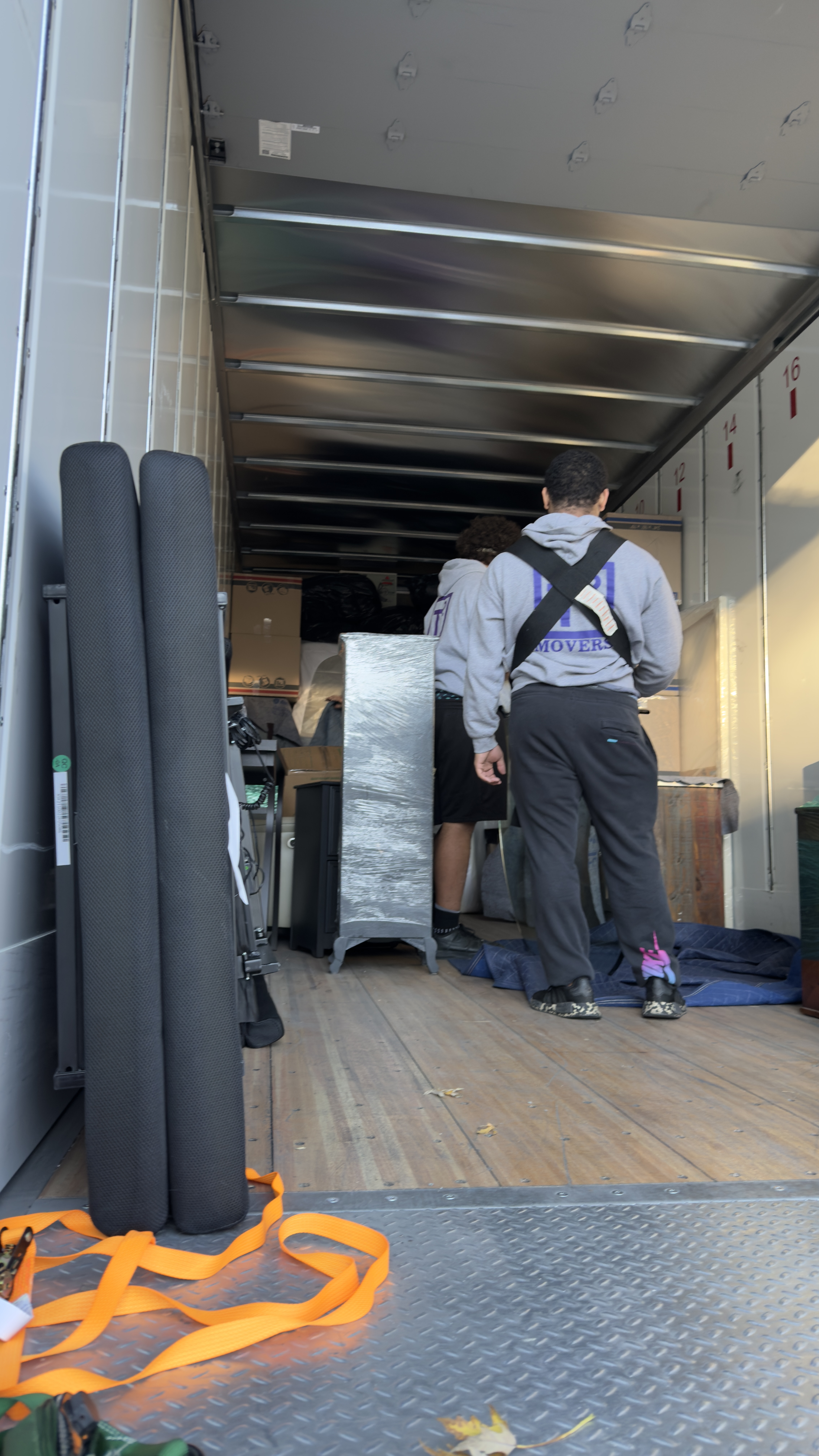
T Square Movers — Moving Lincoln families forward. Every member counts.
